4 Exercises from Positive Psychology to Boost Your Happiness
Totally of us make experienced times when a sullen cloud just seems to be following America around. No matter what you do, IT just seems that you can't seem to shiver off that feeling of negativity.
While we don't want to minimize the value of medication for those who experience this on a daily basis, UCLA neuroscientist Alex Korb, author of The Upward Spiral: Victimisation Neuroscience to Reverse the Course of Depression, One Small Change at a Clip, has some handy insights from neuroscience that may help us feel genuinely constructive and happy.
1) Get Your Brain's Attention
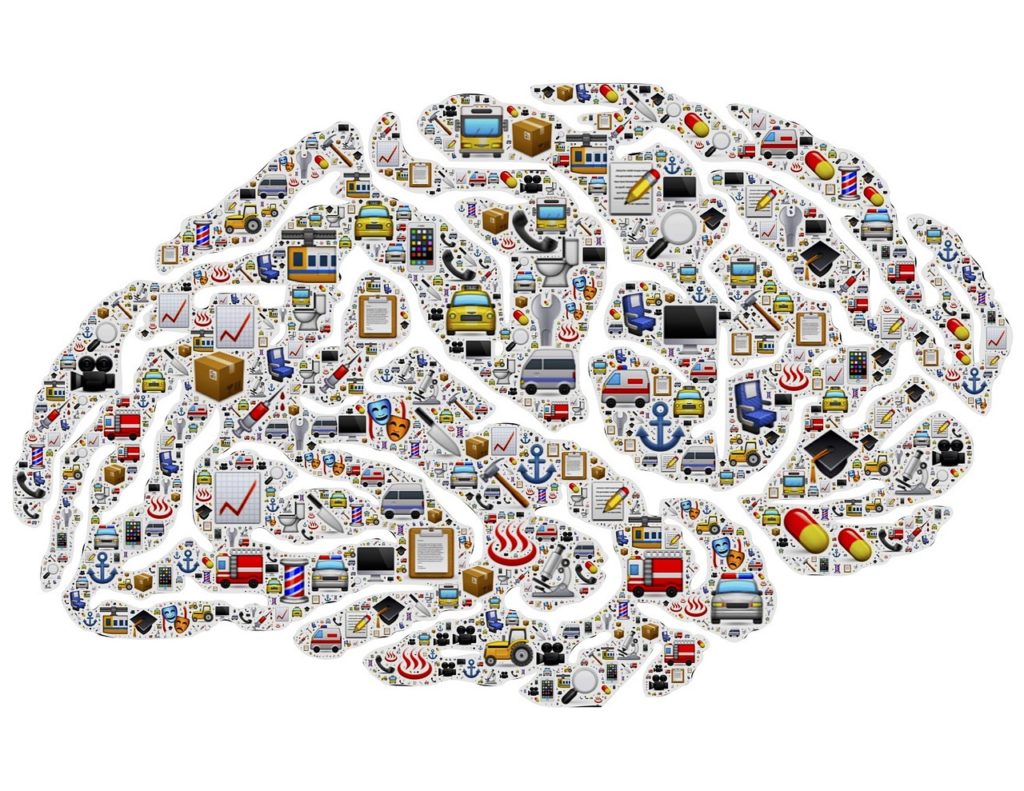
It might storm you, simply your brain isn't on the nose helpful when IT comes to making you feel safe. If you're experiencing guilt feelings or shame, your brain may be trying to activate its reward center.
While that may sound strange, Korb explains:
"Despite their differences, pride, shame, and guilt all activate similar neural circuits, including the dorsomedial anterior cortex, amygdaloid nucleus, insula, and the nucleus accumbens. This explains why it can be and so appealing to heap guilt trip and dishonour on ourselves — they're activating the brain's reward center."
This can also occur if you can't point worrying.
Korb says that "worrying stimulates the central anterior cortex and lowers activity in the corpus amygdaloideum, thus helping your limbic system, your emotions, remain copascetic."
So what you can serve some this?
Korb suggests request yourself: "What am I grateful for?" His reasoning is chemical: "One and only powerful effect of gratitude is that IT tin cost increase 5-hydroxytryptamine. Trying to think of things you are thankful for forces you to revolve around the positive aspects of your life. This simple act increases serotonin production in the anterior cingulate cortex."
2) Label your emotions

If you're belief down, try out to get specific. Why are you smel down? What exactly are you feeling? Neuroscience has found that plainly labelling your emotions actually defuses them.
Author David Rock'n'roll's Good Book Your Brainpower at Work: Strategies for Overcoming Distraction, Regaining Focus, and Impermanent Smarter All Day Long explains:
"To reduce arousal, you need to use just a few words to describe an emotion, and ideally use symbolic language, which means using indirect metaphors, prosody, and simplifications of your experience. This requires you to activate your prefrontal cerebral cortex, which reduces the rousing in the limbic organisation. Here's the arse delineate: describe an emotion in only a word or two, and it helps reduce the emotion."
3) You're non perfect, none of us are

A big reason a lot of us throne feel anxious and worried is that we feel we're not perfect. However, the key is to net ball go the need for perfection, and to be okay with organism "good enough", especially when it comes to making your decisions. As Korb says:
"Trying for the best, or else of good, brings too much emotional ventromedial prefrontal activity into the decision-making process. In contrast, recognising that good enough is opportune enough activates more dorsolateral prefrontal areas, which helps you feel many in control …" Korb: "Actively choosing caused changes in attention circuits and in how the participants felt almost the action, and it increased rewardful Intropin activity. Making decisions includes creating intentions and setting goals — complete three are part of the same neural circuitry and engage the prefrontal cerebral cortex in a positive path, reducing worry and anxiousness. Devising decisions also helps overcome striatum activity, which usually pulls you toward negative impulses and routines. At last, making decisions changes your sensing of the world — finding solutions to your problems and quietening the limbic scheme."
4) The power of touch
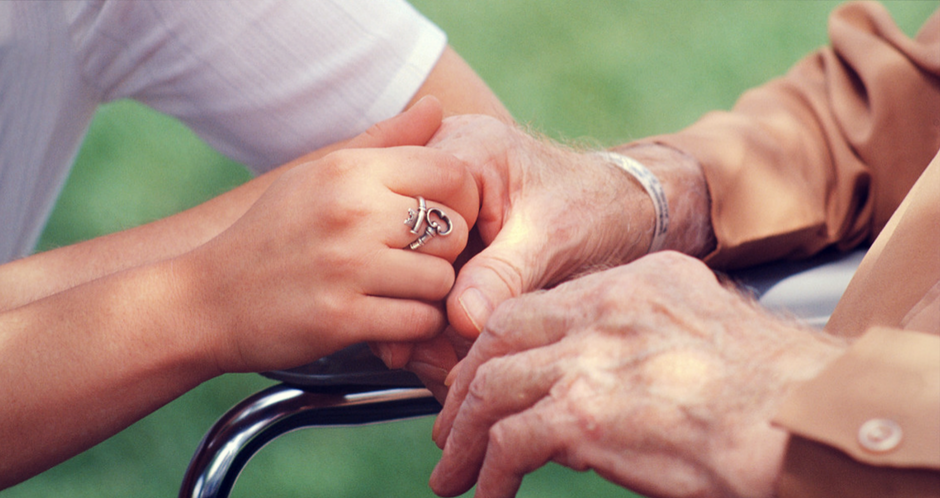
Before we go farther, you should only personify touching others who deprivation to be tint. Satisfactory?
According to Korb,
"A hug, especially a long indefinite, releases a neurotransmitter and hormone oxytocin, which reduces the reactivity of the amygdala."
Hand holding, pats on the back, and handshakes work, likewise. Korb cites a study in which subjects whose hands were held by their partners experienced a low level of anxiety while ready for an expected physical phenomenon shock from researchers. "The brain showed reduced activation in some the preceding cingulate cerebral cortex and dorsolateral prefrontal cortex — that is, less activity in the pain and worrying circuits."
Originally published on The Power of Ideas, Ideapod's blog. Or else of sharing your life, share your ideas on Ideapod.
https://hellocare.com.au/4-exercises-positive-psychology-boost-happiness/
Source: https://hellocare.com.au/4-exercises-positive-psychology-boost-happiness/

Post a Comment for "4 Exercises from Positive Psychology to Boost Your Happiness"